

Quit Smoking Now!
Smoking harms nearly every organ of the body. Smoking causes cancer and coronary heart disease, the leading causes of death in the United States. Health effects from smoking account for nearly one out of every five deaths each year in the United States.
Caution! Protect Your Family
The Facts About Secondhand Smoke
Secondhand smoke comes from a burning cigarette, cigar or pipe — or is exhaled by the smoker. Here’s why secondhand smoke is so dangerous:
- Secondhand smoke is dangerous to everyone, especially children, infants and unborn babies because their bodies and lungs aren’t fully grown.
- Secondhand smoke increases:
- A child’s risk of ear infections, lung infections and death from SIDS.
- A child’s risk of becoming a smoker.
- A pregnant woman’s risk of having a low-birth-weight baby.
- Secondhand smoke can make allergies and asthma worse, and can cause heart attacks and cancer, even for people who do not smoke.
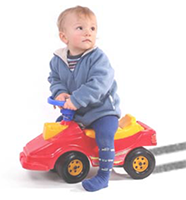
Quit for your family — quit for yourself!
Ready to Stop?
We Can Help You Put on the Brakes.
Ready to join the growing number of adults who have quit smoking?
You’re headed in the right direction!
There are two keys to successfully quitting:
If you have the desire and make the commitment, this web page can help with the plan.
A good roadmap to quitting takes preparation and understanding. You’ll need to know:
- When and why you smoke
what are your triggers for smoking? - What to expect when you quit
physical and emotional withdrawal. - How to get help
community resources and finding a quitting buddy. - How to stay a nonsmoker
what to expect after you quit.
This web page will teach you about different quitting methods, how to handle withdrawal and how to make it without smoking for a day, a week, forever! You’ve got a lot to do. But we are here to help! Let’s get started.
Understanding the Signs
Knowing the Road Blocks
How Can You Best Prepare for Success?
As you map out your plan, you may want to consider:
- The number of years you have been smoking and the number of cigarettes you smoke every day. The “bigger” your habit, the more support you may need — from your quit-smoking friend, your family or your doctor.
- If other people in your household smoke, your challenge could be a little tougher. Maybe you can all quit together. Or ask them to agree to a “smoke-free” home — smoke outdoors or set aside several no-smoking rooms.
Roadside Assistance
Finding Support on the Way.
You may be able to quit on your own, but it is always helpful to have a quit-smoking friend who can be available to talk or meet if you need support.
A quit-smoking friend can help by boosting your willpower and making the challenge more fun.
- “Been There, Done That.” Ex-smokers can be a good choice, since they have quit and understand the issues.
- Pick someone who knows you well and is serious about helping you quit.
- In the back of this kit is a “Quit-Smoking Friend” card for your wallet.
- In the back of this kit, you will also find a list of helpful contacts and local quit-smoking classes offered in Anne Arundel County. Some local programs also offer assistance to help you afford quit-smoking aids.
IMPORTANT! Tell your friend when you’re quitting, why you’re quitting and what help you need to quit. You might even ask them to help make your plan.
As You Prepare for the Journey
- Write a list of reasons about why you want to quit and carry it with you. A card is in the back of this kit.
- Think about your smoking habits. Keep track of where you smoke and when — and what causes you to want to smoke.
- Look over the quit plans in this book — the Stop Cold method and Gradual Stop method — and choose the one that’s right for you.
Get ready for nicotine withdrawal.
You may feel tired, have headaches, sweat and cough more often. After the first few days, symptoms start to fade. A week to ten days after quitting, your physical craving for nicotine should disappear. It doesn’t take long. Beat the physical craving for nicotine and you’re halfway to success!
Do you want quit-smoking aids?
Such as nicotine patches or gum? These aids can help reduce the craving for nicotine as you stop smoking. Talk to your doctor or local pharmacist, and follow directions carefully when you use them.
Choosing a Date to Get Going

Pick a day in the next two weeks. Don’t wait any longer. Check with your quit-smoking friend to make sure this is a good date and ask for support. Write your quit date below.
I will quit on: ________________________________
Congratulations, you’re on your way! Let’s choose a quitting plan.
Can you stop smoking immediately?
If the answer is “yes,” consider the Stop Cold method. It’s also called “going cold turkey.” Stopping cold — and giving up cigarettes altogether — is the fastest way to get through the nicotine withdrawal.
As with any method, you need to start making lifestyle changes before your quit date. Your plan should be in place and, if you have quit-smoking friends, they should be ready to step in and help.
Once you quit, there are many ways to fight the urge to smoke. Follow the tips on “How to Keep Going” to help keep the urge to smoke under control.
Remember — always think positive. You can do it!
The Week Before You Quit
When you’re quitting, it’s good to know the times and places you’re most likely to have an urge to smoke — it helps you to be prepared and resist the urge. The week before you quit, record the time of day you smoke, the location and how you feel when you need to smoke in the space below.
GRAPHIC GOES HERE
The Day Before You Quit
- Throw away all cigarettes.
- Put ashtrays, matches and lighters out of sight or give these to your quit smoking friend!
- Buy a pack of sugar-free gum or hard candy as a substitute.
- Make sure you carry the list of reasons why you’re quitting with you as a reminder.
Don’t Get Blindsided!
What to Watch for Along the Road:
Remember, the nicotine in cigarettes is addictive. The first few days are the most difficult. Your body will go through nicotine withdrawal, and you may feel anxious, depressed or have trouble concentrating.
- Stick with it! It will get easier.
- Your craving for cigarettes will start to fade in a few days.
If You Slip and Smoke Again
Don’t give up. It happens. Check your list of reasons to quit smoking. Try again. It often takes several tries to finally be successful.
Quit-smoking classes can help give you support and structure. Some classes offer nicotine aids for participants 18 and older. Check Community Resources information in the back of this kit for a list of quit-smoking classes and more support.
How Can You Best Prepare for Success?
It’s tough to quit all at once. That’s why most people prefer to cut back on cigarettes and withdraw gradually. This method lets you put on the brakes and reduce your smoking over a realistic period of time.
Slow Down and Stop
The 7-Day Countdown
Here’s a 7-day countdown to no smoking! Use the chart on the next page to write in the maximum number of cigarettes you’ll allow yourself to smoke each day, decreasing the number every day. Write your initials in the spaces to show you’ve reached your daily goal.
The Night Before You Stop
Throw away all cigarettes. Put ashtrays, matches and lighters out of sight or give them to your quit-smoking friend. Buy a pack of sugar-free gum or some hard candy (especially cinnamon, which may help reduce your cravings) as a smoking substitute.
Caution!
How to Plan for Bumps in the Road:
Remember, the nicotine in cigarettes is addictive. The first few days are the most difficult. Your body will go through nicotine withdrawal — and you may feel anxious, depressed or have trouble concentrating.
Keep in mind your cigarette craving will not go away as fast as it would with the Stop Cold method. That’s because you’re reducing the amount of cigarettes you smoke, but still continuing to take in nicotine.
- Stick with it! It will get easier.
- Your craving for cigarettes will start to fade in a few days.
What to Do if You Slip
Don’t give up! It happens. Check your list of reasons to quit smoking and try again. It often takes several tries to be successful. Maybe you need to switch methods and try the Stop Cold method.
Quit-smoking classes can help give you support and structure. Some classes offer nicotine aids for participants 18 and older. Check Community Resources information in the back of this kit for a list of quit-smoking classes and for more support.
GRAPHIC
It’s Never too Late to Stop Smoking.
When you stop smoking:
- You lower your risk of heart disease, stroke, cancer and lung disease.
- You stop hurting those around you with secondhand smoke.
- You save money! If you’re a pack-a-day smoker, that’s over $130 dollars a month — or over $1,500 a year!
In fact, you’ll see the benefits right away. After your last cigarette:
| In 20 minutes - | Your blood pressure and pulse rate drop. |
| In 24 hours - | Your chance of heart attack decreases. |
| In 48 hours - | Your nerve endings adjust to the absence of nicotine. |
| In 72 hours - | Your lung capacity increases, making it easier to breathe. |
How to Keep Going!
Smoke-Free Strategies
This is the hard part... staying smoke-free. Here are some things you can do when those nicotine cravings return:
- Wait it out. The urge to smoke usually passes in a few minutes. As time goes by, the urge will fade.
- Try deep breathing when you want to light up. Take a slow, deep breath. Hold it for a few seconds, and slowly release it. Repeat 5 to 10 times.
More Tips for the First Few Days |
|---|
| Carry sugar-free gum or hard candy with you at all times. |
| Have a big glass of 100% fruit juice with breakfast every morning. |
| Exercise at least 30 to 60 minutes most days of the week. |
| Read your reasons for quitting when you have the urge to smoke. |
| Try to avoid places or situations that make you feel like smoking. |
| Eat a snack of fresh fruit or vegetables. Visualize yourself never smoking again. |
| Keep your Quit-Smoking Friend/ Reasons to Quit card handy. |
| Your card’s in the back of this kit. Check in with your quit-smoking friend. |
| Stay away from smoke-filled places. |
| Think positively and take one day at a time. |
Wait! What about Gaining Weight?
Some smokers put off quitting because they’re afraid they’ll gain weight. In general, quitting smoking will make you feel healthier and more energetic. And even though some people who stop smoking gain some weight, on average it is only 5 to 10 pounds.
You would have to put on a lot of weight to offset the health benefits of quitting smoking. Healthier eating, an increase in physical activity and controlling stress without food or cigarettes can help you control your weight while you quit smoking.
Celebrate Your Success!
- On a calendar, mark off each smoke-free day.
- Celebrate the end of your first smoke-free week and month by reviewing your progress and congratulating yourself for being successful.
- Set aside the money you would normally spend on cigarettes and treat yourself to a reward!
Slipping Back into Smoking
It happens. Sometimes it takes several tries to be completely successful. You may even need to switch your method of quitting.
Quit-smoking classes can provide needed structure. The ongoing classes, the support of other smokers and the help of instructors can increase your chances of quitting for good.
Check our list of quit-smoking classes in Anne Arundel County or call 410-222-7979 for the latest information. Also, a doctor can advise you on quit-smoking aids that you may find helpful.